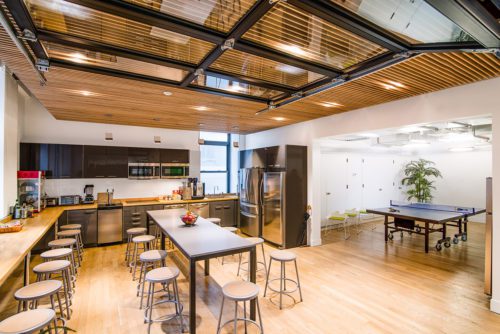
Pre-construction services set the stage for successful commercial interior projects in New York City. In a market defined by tight timelines, complex regulations, and high expectations, early planning directly impacts budget accuracy, schedule reliability, and overall project risk.
For office, retail, and hospitality interiors, this early planning helps clarify project scope, validate feasibility, and identify potential logistical or regulatory constraints before costly decisions are locked in.
This type of planning can also be valuable before a lease is finalized. A preliminary evaluation of the space can reveal infrastructure limitations, code requirements, and potential upgrade costs, helping tenants understand what the build-out may actually require before committing to the location.
This guide outlines ten essential pre-construction services every NYC commercial client should understand when preparing for a build. Each plays an important role in reducing uncertainty, improving coordination, and setting projects up for a smooth, controlled construction phase.
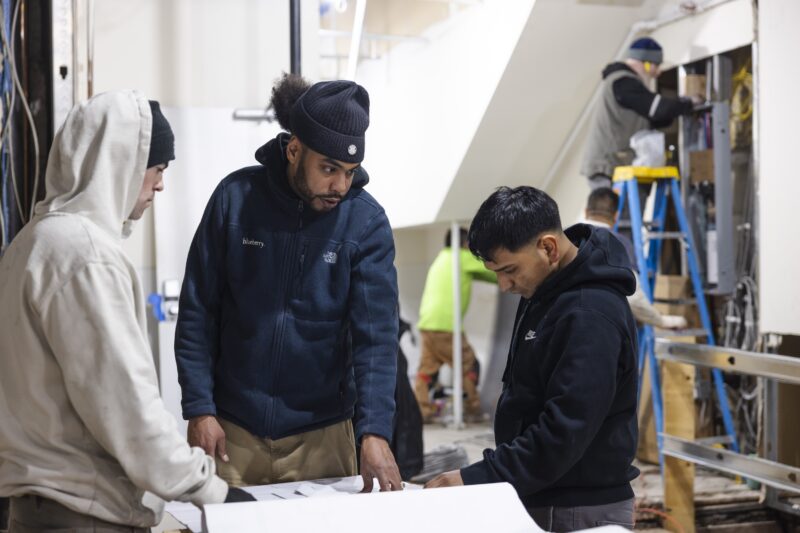
What Are Pre-Construction Services?
Pre-construction services are the strategic planning activities that take place before construction begins. This phase focuses on evaluating cost, feasibility, constructability, and schedule so a commercial construction project can move forward with clarity and control. Rather than reacting to issues during the build, pre-construction services identify constraints and risks early, when they are easier and less expensive to address.
In commercial interiors, pre-construction services typically include early budgeting, schedule modeling, constructability reviews, code and zoning analysis, and scope definition. These efforts align design intent with real-world conditions, logistics, and regulatory requirements unique to building in New York City.
A pre-construction services contract usually defines the scope of work for this phase, outlining responsibilities, deliverables, timelines, and coordination expectations among the project team. This structure helps ensure accountability, transparency, and informed decision-making before construction commitments are made.
10 Essential Pre-Construction Services in NYC
A structured pre-construction approach helps commercial projects in NYC avoid common pitfalls by addressing critical planning decisions before construction begins.
1. Site evaluation & feasibility review
A site evaluation and feasibility review determines whether a commercial interior project can be executed within the physical, regulatory, and logistical constraints of the space. In NYC, this includes reviewing existing conditions, building infrastructure, access limitations, zoning considerations, and factors that may affect construction sequencing or cost.
This type of review is especially helpful before a lease is finalized. Evaluating the space early can reveal major infrastructure requirements, such as adding commercial kitchen exhaust, upgrading electrical capacity, or modifying building systems, that significantly impact build-out costs and timelines.
Identifying these factors upfront helps tenants budget more accurately and enter lease negotiations with a clearer understanding of what the space will realistically require. It also allows teams to confirm feasibility before design and budgeting progress too far. This clarity helps reduce redesigns, scheduling issues, and scope changes once construction begins.
2. Budget development & cost planning
Budget development and cost planning establish a realistic financial framework for the project before construction commitments are made. This process includes preliminary cost estimates, allowances, contingencies, and early evaluations of material and labor impacts specific to NYC commercial interiors, all informed by a clear understanding of what construction estimating is and how it supports early decision-making.
Accurate upfront budgeting helps align scope with financial expectations and reduces the risk of cost overruns later. By grounding decisions in real market conditions early, project teams can move forward with greater confidence and fewer surprises during construction.
3. Constructability review
A constructability review evaluates the design from a contractor’s perspective to confirm it can be built efficiently, safely, and as intended. For NYC commercial interiors, this includes assessing access, sequencing, existing conditions, and coordination between building systems within tight space and operational constraints.
Identifying constructability issues early helps prevent conflicts, delays, and costly revisions during construction. This review ensures design decisions align with real-world execution and supports a smoother transition from drawings to build.
4. Scheduling & phasing strategy
Scheduling and phasing strategy define how and when work will be executed within the constraints of the building and the client’s operations. In NYC commercial interiors, this can include coordinating limited access hours, occupied spaces, building rules, and inspection timelines.
Logistics and means-and-methods planning are also part of this process. Teams must determine how materials and equipment will physically reach the space, whether through freight elevators, stairwells, street loading zones, or other building access points, and how building rules may affect deliveries and staging. These constraints directly influence sequencing, labor planning, and the overall construction schedule.
Early schedule planning establishes realistic milestones and sequencing, helping teams anticipate bottlenecks before construction begins. A clear phasing strategy reduces disruptions, supports on-time delivery, and keeps complex projects moving forward efficiently.
5. Preliminary design coordination with architect
Preliminary design coordination allows contractors to provide early input during design development to support buildability, systems integration, and budget alignment. For NYC commercial interiors, this collaboration helps identify potential conflicts between design intent, existing conditions, and construction logistics.
Early coordination improves decision-making before drawings are finalized. It reduces downstream revisions, supports smoother approvals, and helps ensure the design can be executed efficiently once construction begins.
6. Code & zoning analysis
Code and zoning analysis evaluates how applicable NYC building codes, zoning regulations, and agency requirements affect the proposed scope of work. This includes understanding filing vs permitting, approval pathways, and how regulatory requirements may influence layout, systems, materials, and project timelines.
Addressing these requirements early helps avoid redesigns, filing delays, and unexpected constraints later. Early awareness allows project teams to plan intelligently and align design decisions with NYC’s regulatory realities before construction begins.
7. Value engineering recommendations
Value engineering identifies opportunities to optimize cost, materials, and systems without compromising performance or design intent. In NYC commercial interiors, this may involve evaluating alternative assemblies, finishes, or sequencing approaches that better align with budget and schedule constraints.
When addressed during pre-construction, value engineering supports informed trade-offs rather than reactive cost cutting. This approach preserves quality while improving efficiency and long-term project value.
8. Scope definition & documentation
Scope definition and documentation establish a clear understanding of what is included in the project before construction begins. This process outlines deliverables, responsibilities, assumptions, and exclusions so all parties are aligned on expectations that is informed by a detailed construction proposal checklist to ensure nothing critical is overlooked.
A well-defined scope reduces ambiguity and helps prevent scope creep, change orders, and disputes during construction. Clear documentation supports smoother coordination and more predictable project outcomes.
9. Risk identification & mitigation planning
Risk identification and mitigation planning focus on recognizing potential issues that could impact budget, schedule, or execution before construction starts. For NYC commercial interiors, this may include logistics challenges, access limitations, coordination risks, and market-related cost pressures.
By addressing risks early, project teams can develop mitigation strategies instead of reacting to problems mid-build. This proactive planning helps protect timelines, control costs, and reduce disruption during construction.
10. Permit strategy & consultant coordination
Permit strategy and consultant coordination establish a clear plan for approvals, responsibilities, and timelines before construction begins. In NYC, this includes aligning architectural filings, agency reviews, consultant inputs, and permit sequencing so there are no gaps between planning and execution.
A defined strategy reduces approval delays and coordination breakdowns once construction is ready to start. Clear roles and timelines help keep projects moving efficiently through a complex regulatory environment.
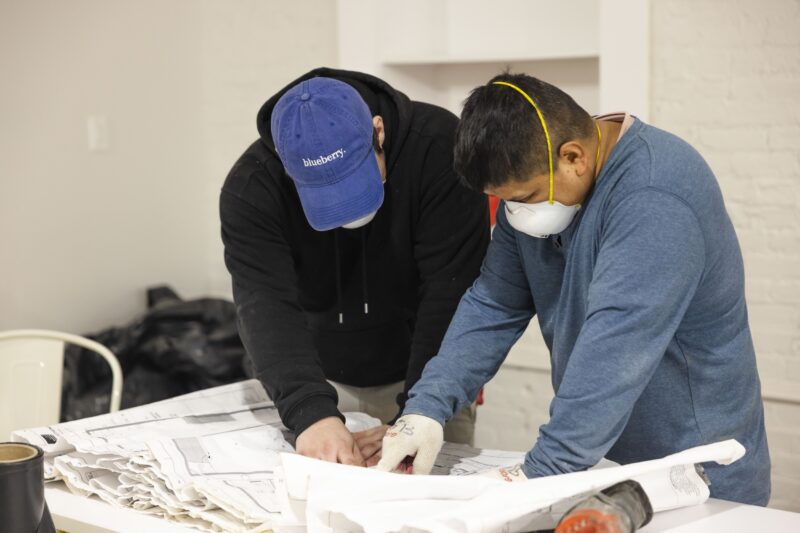
How Pre-Construction Services Set the Stage for a Seamless Build
These pre-construction services work together to create a controlled, predictable path from planning to execution, minimizing uncertainty before construction begins.
How structured planning reduces surprises during execution
Structured pre-construction planning identifies constraints, conflicts, and risks early, when adjustments are still practical and cost-effective. By resolving scope, budget, and sequencing questions upfront, teams avoid reactive decisions during construction. The result is fewer change orders, tighter schedules, and more predictable outcomes.
The role of contractors in supporting early-phase decisions
At Blueberry Builders, we support early-phase decision-making by providing practical insight into feasibility, logistics, constructability, and execution risks specific to NYC commercial interiors. While our formal role begins when construction starts, our experience as a luxury commercial general contractor allows us to advise project teams on how early planning and design decisions will translate in the field.
This perspective helps bridge the gap between drawings and delivery by identifying potential conflicts, sequencing challenges, and logistical constraints before construction begins. By grounding early decisions in real-world execution, we help clients move into construction with greater clarity, fewer surprises, and a more controlled path to completion.
Start Strong with the Right Pre-Construction Support
Pre-construction services provide the structure and clarity needed to deliver successful commercial interiors in New York City. Addressing feasibility, budget, scope, and risk early allows projects to move into construction with fewer unknowns and tighter control.
At Blueberry Builders, we bring an execution-focused perspective that bridges the gap between planning and delivery. Have pre-construction drawings or timelines you’d like to review? Let’s talk.